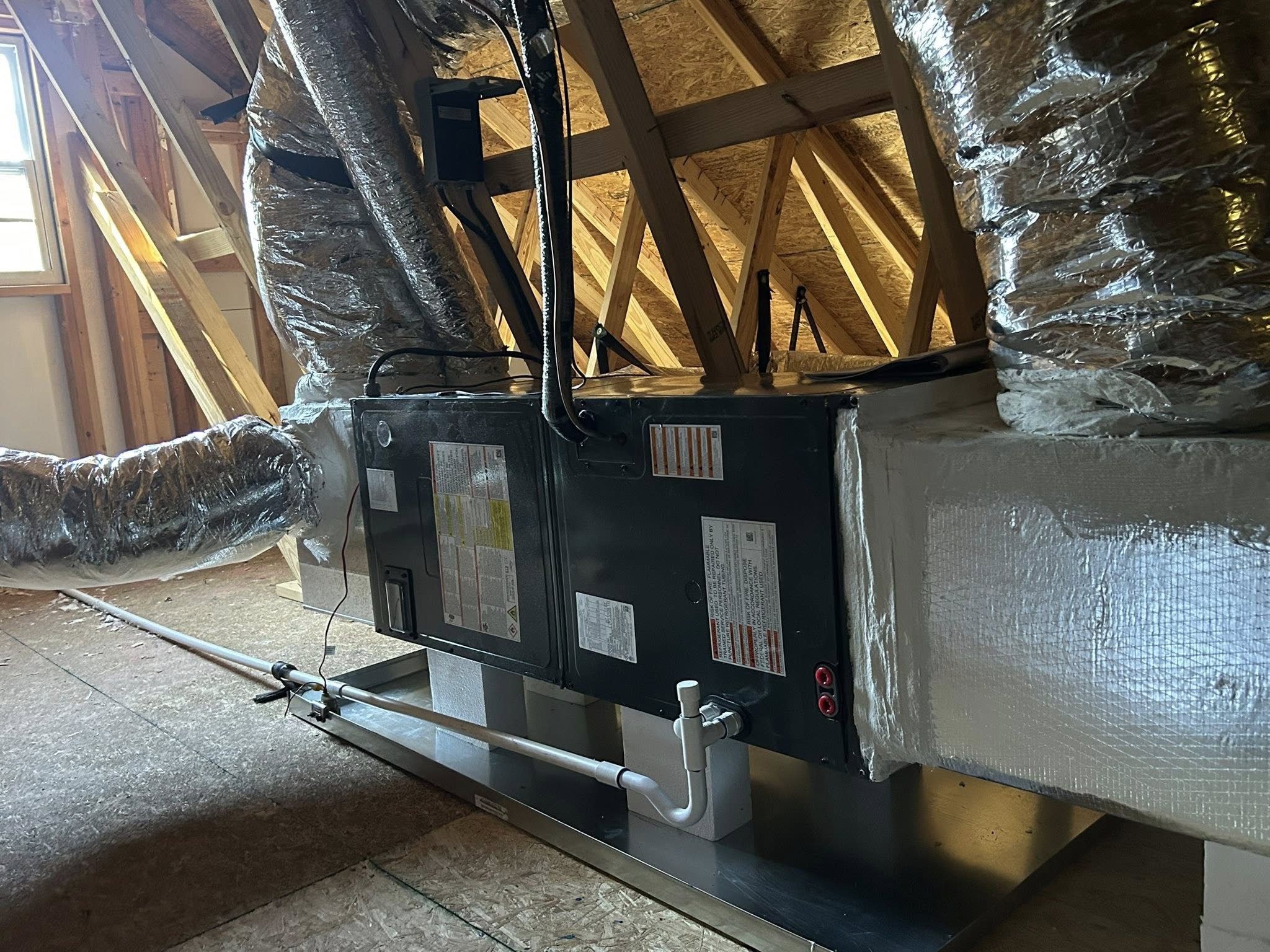
Energy Efficiency Tips for Your Home HVAC System Jan 24, 2026
Start by ensuring your HVAC system receives regular maintenance checks. Routine maintenance is one of the simplest and most effective ways to ensure your system is running efficiently. A professional tune-up includes checking for refrigerant leaks, inspecting and cleaning coils, and ensuring all components are working properly. This not only prolongs your system’s lifespan but also prevents unexpected breakdowns and maintains optimal energy use.
Consider upgrading to a programmable thermostat if you haven't already. Programmable thermostats allow you to set temperatures according to your daily schedule. For instance, you can set the thermostat to lower the temperature when you're not home and warm up just before you return. This ensures that your HVAC system isn't working overtime when it's not necessary, saving energy and reducing costs.
An essential aspect of energy efficiency is ensuring your home is properly insulated. Poor insulation is a culprit of energy loss that forces your HVAC system to work harder to maintain the desired temperature. Check for drafts around windows and doors and seal them with weather stripping or caulk. Evaluating the insulation in attics, basements, and walls can also significantly reduce the amount of energy lost in your home.
Changing air filters regularly is a straightforward yet often overlooked step. Dirty filters obstruct airflow and force the system to consume more energy, leading to higher bills and premature wear. Depending on the type of filter and environmental factors like pets or dust, aim to replace or clean filters every 1-3 months for the best performance.
It's also worth considering an investment in energy-efficient HVAC equipment. While the initial cost might seem daunting, the long-term savings are substantial. Modern systems are designed to use significantly less energy while providing the same level of comfort. Look for systems with high Seasonal Energy Efficiency Ratio (SEER) ratings for air conditioners and high Annual Fuel Utilization Efficiency (AFUE) for furnaces.
Ceiling fans can further enhance your HVAC’s efficiency. In summer, they help circulate cool air, reducing the burden on your air conditioning system. In winter, reversing the fan’s direction helps push warm air downward, lessening the heating system's workload. This small adjustment can make a notable difference in your energy consumption.
Finally, keep your vents and registers unobstructed. Furniture, curtains, or any household items can block airflow and cause your system to work harder. Ensuring these pathways are clear will contribute to the overall efficiency of your HVAC unit, keeping your home more comfortable.
In conclusion, implementing these energy efficiency tips can undoubtedly lead to reduced energy bills and an improved HVAC system performance. At Hydrick Mechanical, we are committed to helping our customers achieve optimal home comfort without sacrificing efficiency. For tailored advice or professional maintenance, feel free to reach out to our team of experts. We’re here to ensure your home remains comfortable year-round while supporting energy-saving practices.
/filters:no_upscale()/filters:format(webp)/media/815edc63-22b0-43ec-acfd-52770c5fb10e.jpeg)
/filters:no_upscale()/filters:format(webp)/media/4e6b2f2b-247f-4da8-805c-b6f7f024e090.jpeg)