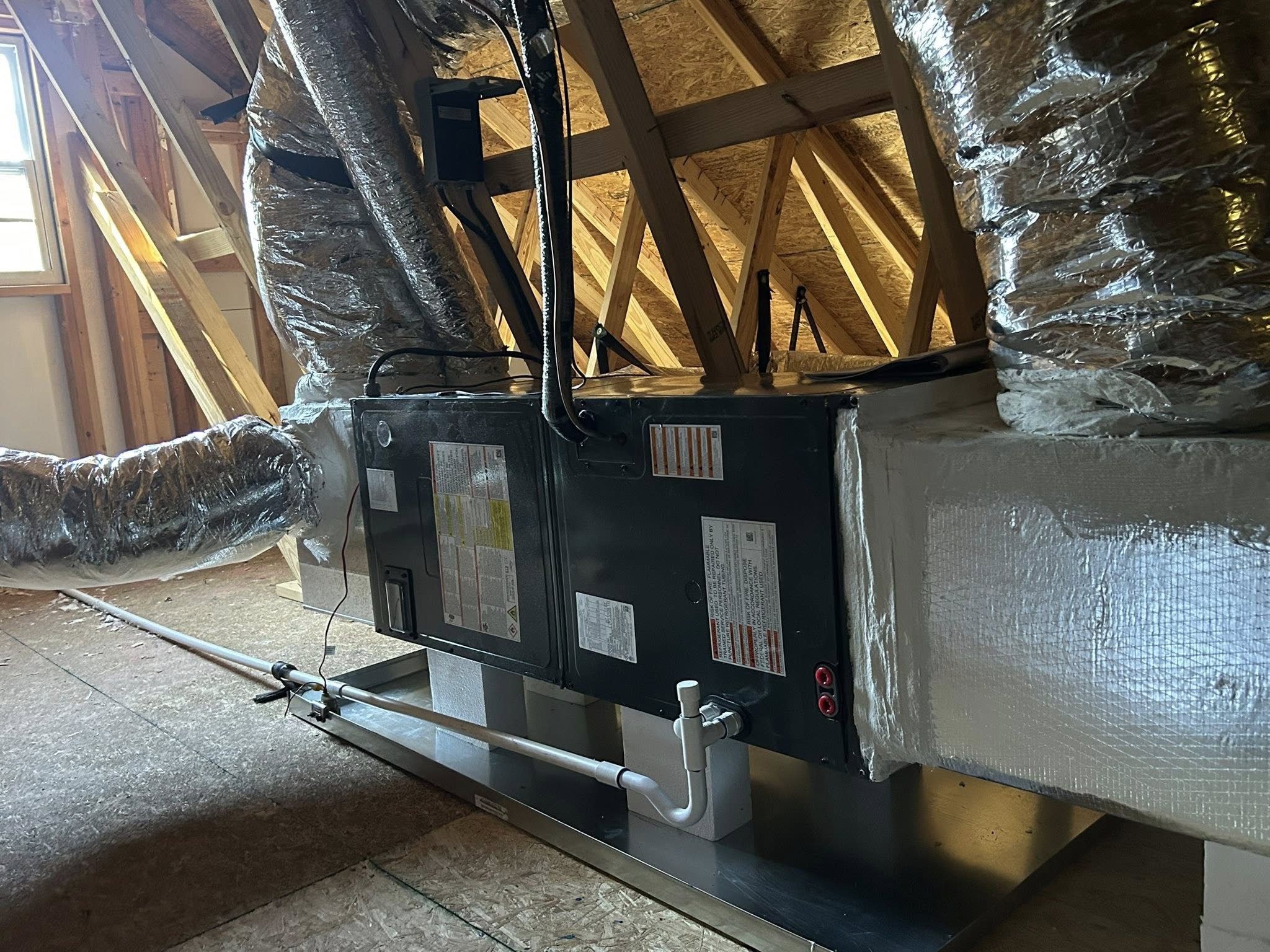
The Future of Heating: Understanding Hydrogen-Powered HVAC Systems Jul 01, 2026
Hydrogen HVAC systems operate on a fairly straightforward principle: hydrogen is used as a fuel to power the heating elements within these systems. When hydrogen is burned, it combines with oxygen to produce water and a significant release of energy. This process is distinctively clean as it emits only water vapor, significantly reducing the carbon footprint in comparison to traditional fossil fuels. For HVAC systems, this means an efficient and environmentally conscious method of heating homes and businesses.
One of the primary advantages of hydrogen-powered HVAC systems is their potential to significantly reduce greenhouse gas emissions. Unlike natural gas or coal, hydrogen combustion results in zero carbon emissions, aligning perfectly with global efforts to mitigate climate change. Additionally, hydrogen can be produced using renewable energy sources such as wind, solar, and hydropower. This opens avenues for truly sustainable heating systems that integrate seamlessly into the green energy platforms being increasingly adopted worldwide.
Moreover, hydrogen's abundance and versatility make it a particularly attractive choice for energy producers. Hydrogen could potentially be the cornerstone of a new energy economy, pivotal for households and businesses looking to lessen their environmental impact without compromising on comfort. As technology advances, the efficiency of hydrogen extraction and storage continues to improve, making it a more feasible option for HVAC systems.
However, the widespread adoption of hydrogen-powered HVAC systems is not without challenges. Infrastructure development remains a significant hurdle. Transitioning from traditional energy pathways to hydrogen requires substantial investment in new transportation and storage facilities, specialized equipment, and skilled workforce training. Nevertheless, the long-term benefits of reduced emissions and increased efficiency tend to outweigh these initial obstacles, especially as government incentives and technological advances help offset the transition costs.
Another crucial aspect to consider is public perception and awareness. While hydrogen is a powerhouse of clean energy, its flammable nature necessitates stringent safety standards and public education initiatives. Consumers must be well-informed about the safety measures and operational differences when compared to conventional heating systems to ensure a smooth transition to this innovative technology.
For homeowners and businesses keen on embracing sustainable solutions, now is an opportune time to start exploring hydrogen as a viable option. Partnering with visionary companies like Hydrick Mechanical ensures access to the latest developments and expert guidance throughout the transition to hydrogen-powered HVAC systems. As a trusted name in HVAC services, Hydrick Mechanical is committed to staying at the forefront of energy innovation, providing clients with eco-friendly solutions that meet their heating and cooling needs.
In conclusion, hydrogen-powered HVAC systems represent an exciting frontier in the future of heating. By combining sustainability with efficiency, these systems offer a compelling alternative to traditional fossil fuels. As the technology evolves and infrastructure expands, hydrogen is poised to play a crucial role in reshaping how we heat our homes and businesses, paving the way for a greener, cleaner future. Embracing this change today ensures not only ecological benefits but also positions us at the forefront of the inevitable energy transition on the horizon.
/filters:no_upscale()/filters:format(webp)/media/815edc63-22b0-43ec-acfd-52770c5fb10e.jpeg)
/filters:no_upscale()/filters:format(webp)/media/4e6b2f2b-247f-4da8-805c-b6f7f024e090.jpeg)