Understanding Ductwork: The Hidden Component That Impacts HVAC Efficiency Apr 12, 2026
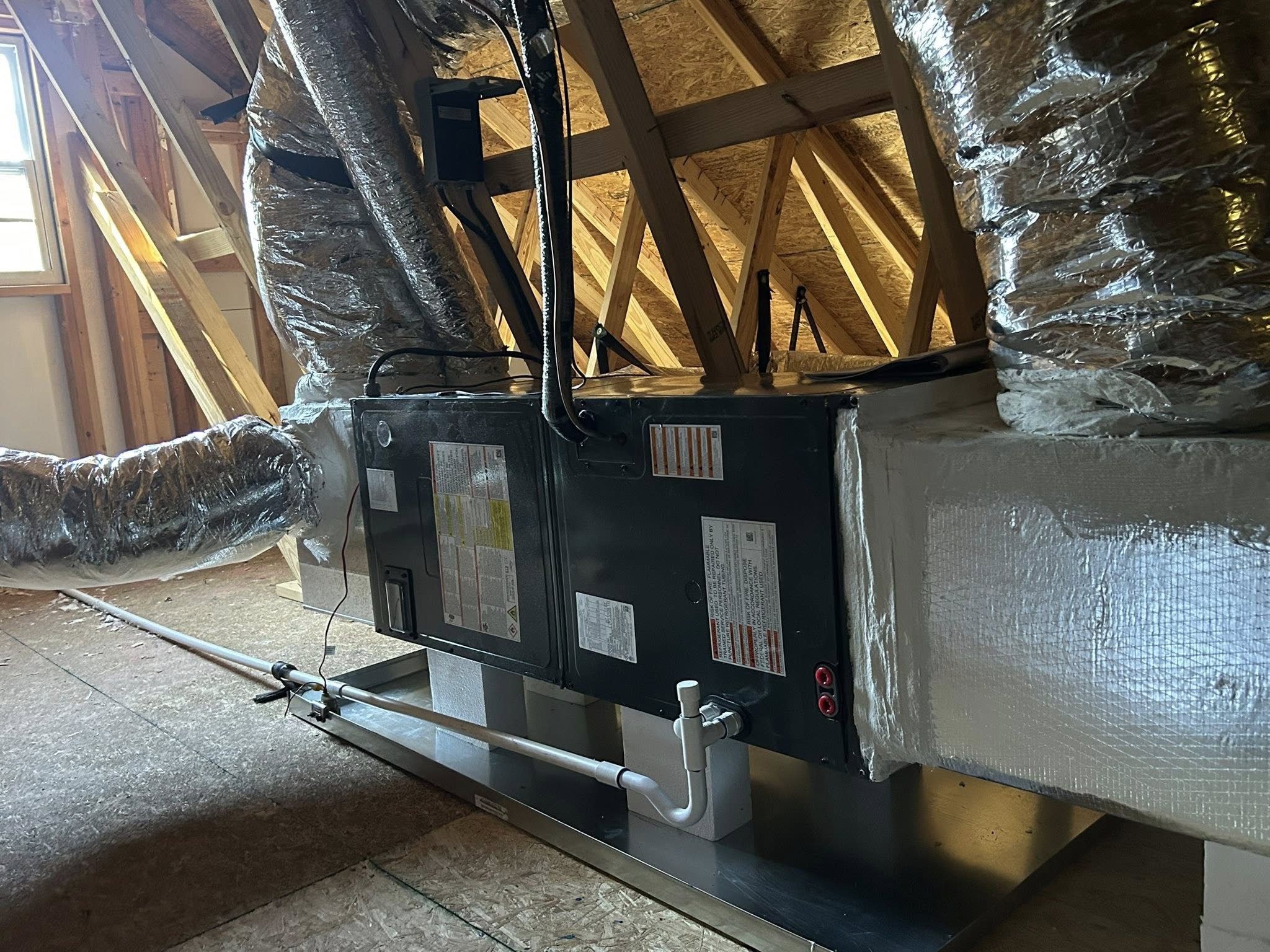
Ductwork is the network of tubes that distribute heated or cooled air from your HVAC system to the rest of the building. Properly designed and installed ductwork ensures that air is distributed evenly and efficiently, reducing the workload on your HVAC system. When ductwork is compromised—through leaks, poor design, or blockage—not only does your system become less efficient, but your energy bills can skyrocket.
One of the biggest concerns regarding ductwork is leakage. As much as 20 to 30 percent of the air that moves through a traditional duct system can be lost due to leaks, holes, and poorly connected ducts. This air escape directly impacts the efficiency of your HVAC system, causing it to work harder to maintain the desired temperature in your space. Regular inspection and maintenance by professionals like Hydrick Mechanical can catch and repair these issues before they become costly problems.
The layout of your ductwork is another critical factor in HVAC efficiency. Poorly designed systems can cause uneven heating and cooling, forcing your HVAC units to work overtime to compensate. This might involve complex layouts with too many turns or bends, which can slow down airflow. Ideally, ducts should have a logical, straightforward design that minimizes friction and air loss. Ensuring that your layout supports optimal airflow can enhance your system's performance and extend its lifespan.
Insulation is also vital for maintaining the efficiency of your ductwork. Uninsulated ducts in unconditioned spaces, like attics or basements, can lose significant amounts of energy. This loss means that your HVAC system must work harder to keep your home comfortable, leading to higher energy costs and more wear and tear on the system itself. Properly insulating your ducts helps maintain temperature levels and reduce unnecessary energy loss.
Regular cleaning and maintenance are key to keeping your ductwork functioning efficiently. Dust, debris, and even mold can accumulate in ducts over time, reducing airflow and lowering air quality. For optimal performance, schedule routine maintenance checks with professionals. This ensures that any obstructions are removed, components are functioning correctly, and the entire system is in good shape.
Finally, consider the material of your ductwork. While traditional metal is durable, flexible ductwork can offer more installation options in tight spaces. However, each comes with its pros and cons regarding durability and efficiency. Consulting with experts like those at Hydrick Mechanical can help you determine the best material for your needs, ensuring that your system operates at its best.
In conclusion, while ductwork may be out of sight, it should never be out of mind. Its role in distributing air and maintaining HVAC efficiency is critical. By ensuring proper installation, regular maintenance, and sound design choices, you can maximize your HVAC system's performance and reduce energy costs. Partnering with an experienced service provider like Hydrick Mechanical ensures that your ductwork—and consequently, your whole HVAC system—is in capable hands. Taking these steps can lead to increased comfort and savings, making your HVAC system a worthwhile and efficient investment.
/filters:no_upscale()/filters:format(webp)/media/815edc63-22b0-43ec-acfd-52770c5fb10e.jpeg)
/filters:no_upscale()/filters:format(webp)/media/4e6b2f2b-247f-4da8-805c-b6f7f024e090.jpeg)