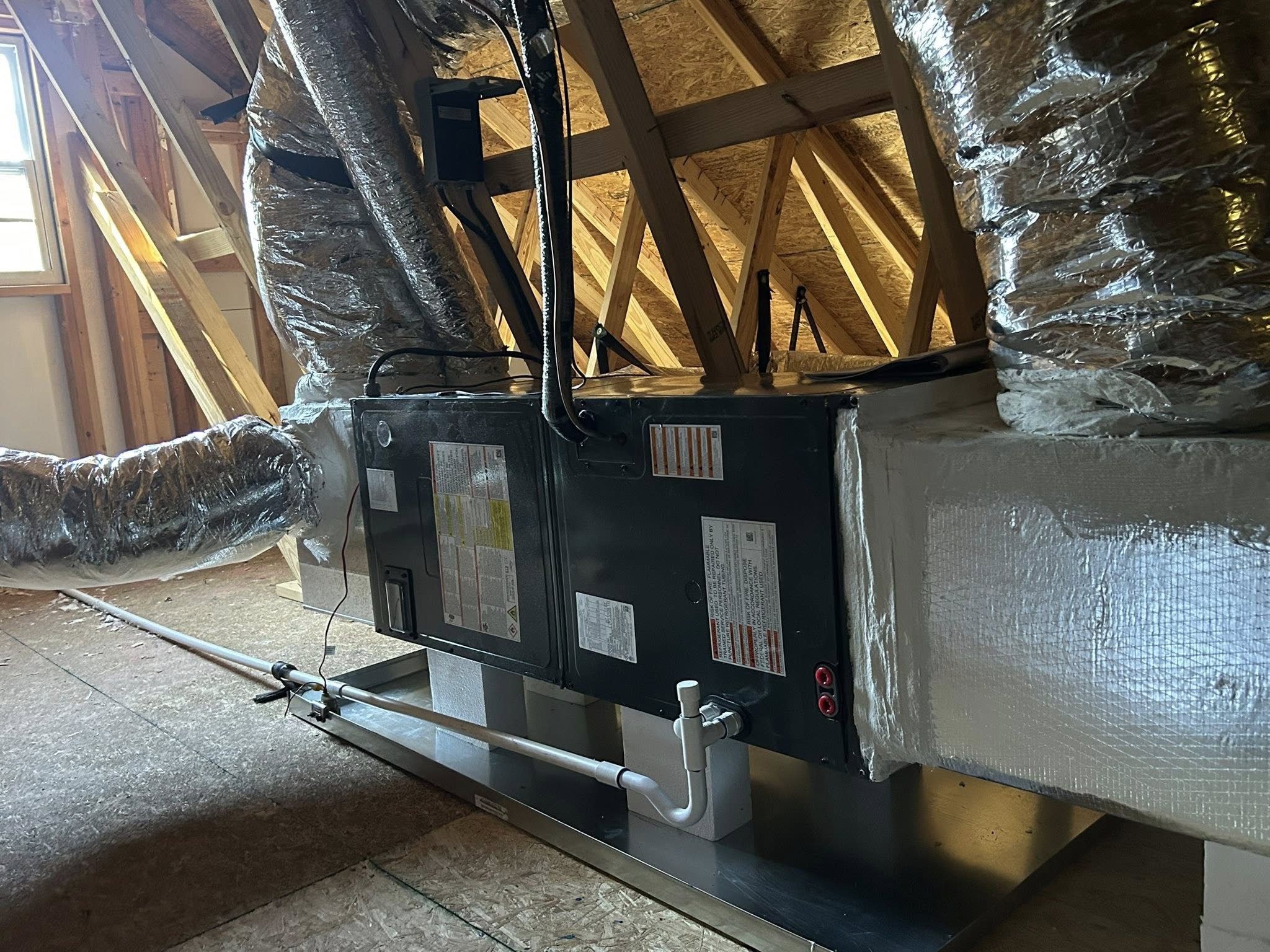
When to Replace Your Air Conditioner: A Comprehensive Guide Jan 16, 2026
Understanding the Age Factor: Typically, the lifespan of a well-maintained air conditioner ranges from 10 to 15 years. As your system approaches this age, you might notice a decline in efficiency and an increase in service calls. Older models are less energy-efficient, and keeping an outdated system might be costing you more on utility bills in the long run. Taking stock of your AC's age is an essential first step in determining if a replacement is due.
Evaluating Energy Efficiency: Advancements in HVAC technology have led to the development of air conditioners that are significantly more energy-efficient compared to their older counterparts. One key factor to assess is the Seasonal Energy Efficiency Ratio (SEER) rating. If your current unit has a SEER rating below 13, it might be worthwhile to consider a replacement. Newer models can operate more efficiently, reducing your carbon footprint and saving you money on energy costs over time.
Frequent Repairs and Increasing Costs: An increasing frequency of repairs is a strong indicator that your AC unit is nearing the end of its lifespan. If you find yourself frequently calling HVAC services to fix your system, those costs can add up quickly. Instead of repeatedly patching up an aging unit, investing in a new, reliable air conditioner might be more cost-effective. Performing a cost-benefit analysis can help determine whether repairing or replacing your unit is more financially sensible.
Inconsistent Temperatures and Uneven Cooling: If certain areas of your home are noticeably warmer or cooler than others, your air conditioner might be struggling to distribute air effectively. This inconsistency can lead to discomfort and might be a sign that your system is no longer capable of performing at its best. A modern HVAC system can provide more consistent airflow and temperature regulation, ensuring uniform comfort across your home.
Rising Energy Bills: A noticeable increase in your energy bills without a corresponding change in usage patterns can hint at an inefficient air conditioning system. As components begin to wear out over time, they have to work harder to produce the same level of cooling, which results in higher energy consumption. Upgrading to a more energy-efficient system can lead to significant savings on your electricity bills.
Utilizing Technological Advancements: Modern air conditioners come equipped with innovative technology, such as smart thermostats and energy-efficient compressors, offering enhanced comfort and performance. These advancements can also contribute to a more eco-friendly home environment. By replacing your outdated unit with a new model, you can benefit from improved features like quieter operation, better air quality, and programmable settings tailored to your lifestyle.
In conclusion, determining when to replace your air conditioner involves weighing several factors, including age, energy efficiency, repair frequency, and technological upgrades. Being proactive in recognizing these signs can help you make an informed decision, ensuring your home remains a comfortable haven regardless of the weather outside. Hydrick Mechanical is committed to providing expert advice and quality installation services, ensuring your transition to a new air conditioning system is smooth and efficient. If you suspect it might be time to replace your air conditioner, reach out to us today for a consultation.
/filters:no_upscale()/filters:format(webp)/media/815edc63-22b0-43ec-acfd-52770c5fb10e.jpeg)
/filters:no_upscale()/filters:format(webp)/media/4e6b2f2b-247f-4da8-805c-b6f7f024e090.jpeg)